


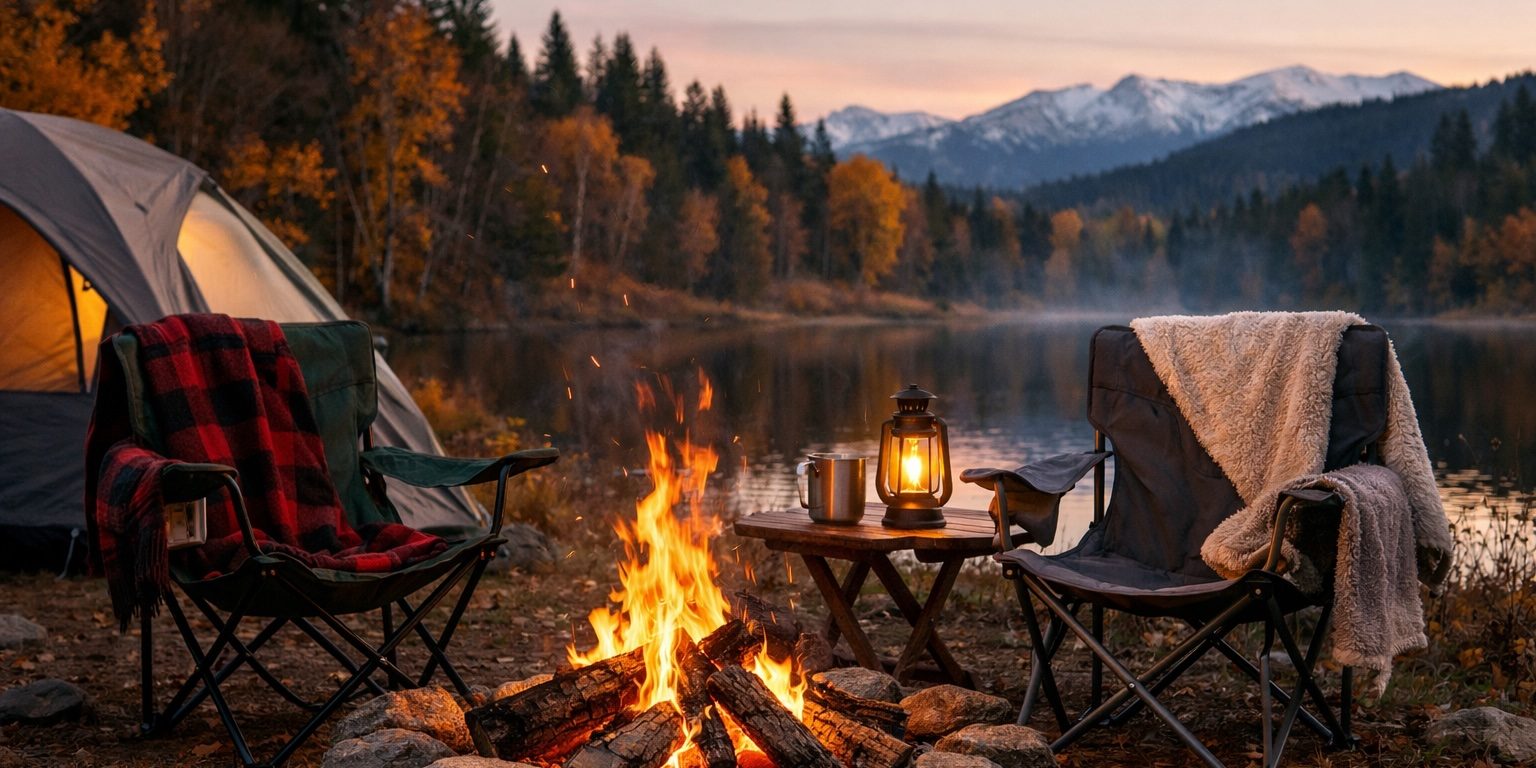
As the days grow shorter and temperatures begin to dip, many campers start packing away their gear for the season. But seasoned outdoor enthusiasts know that the transition from fall to winter camping doesn’t have to mean the end of time spent outside. With a few thoughtful adjustments, camping during the colder months can be just as rewarding—often quieter, more peaceful, and incredibly refreshing.
Even if you don’t plan to camp during the winter months, understanding how experienced campers adapt to seasonal changes can help you prepare your gear, plan ahead, and make the most of future trips. Many campers use the off-season to review campground guidelines, trip planning tips, and helpful reminders like those found on our Things to Know page.
Whether you’re squeezing in one last fall getaway or simply preparing for colder conditions, here’s how campers successfully make the shift from fall to winter camping.
Understanding the Shift in Conditions
The biggest difference between fall and winter camping isn’t just temperature—it’s predictability. Fall weather can be crisp and mild one day, then cold and wet the next. Winter brings more consistency, but also greater demands on preparation.
Campers transitioning between seasons focus on managing moisture, retaining warmth, and staying flexible with plans. According to general cold-weather camping guidance from REI’s outdoor experts, planning ahead and understanding weather patterns are key to staying safe and comfortable.
Adjusting Your Packing Strategy
Cold-weather camping doesn’t always require brand-new equipment, but it does demand smarter packing.
Layering Becomes Essential
Instead of packing bulky clothing, experienced campers rely on layers. Base layers help regulate body temperature, insulating layers provide warmth, and outer layers protect against wind and moisture.
Rethinking Sleep Systems
Sleep comfort changes dramatically as temperatures drop. Campers often add insulating layers beneath sleeping bags, bring extra blankets, or adjust their sleeping setup to block cold air. Staying warm overnight can make or break a cold-weather trip.
Preparing for Shorter Days
With less daylight, campers plan activities earlier and bring reliable lighting. Lanterns, headlamps, and battery backups become more important as evenings arrive sooner.
Staying Comfortable Outdoors
Cold-weather comfort isn’t about avoiding the outdoors—it’s about embracing it wisely.
Campers transitioning into winter tend to spend more time enjoying campfires, cooking warm meals, and creating cozy outdoor seating areas. Thinking about comfort and convenience also helps campers appreciate campground features and services when planning future stays. You can explore what’s available by visiting our Amenities page.
Keeping Meals Simple and Warming
As temperatures drop, campers often shift their meal plans. One-pot meals, soups, stews, and warm breakfasts are easier to prepare and more satisfying in cooler weather.
Outdoor cooking resources like U.S. Forest Service campfire safety tips are also helpful reminders when planning meals during colder, drier months.
Planning with Flexibility in Mind
One of the most important lessons campers learn during seasonal transitions is flexibility. Weather conditions can change quickly, especially late in the year.
Successful campers monitor forecasts closely, plan backup activities, and are willing to adjust schedules as needed. This approach keeps trips enjoyable rather than stressful and makes future camping plans easier to manage.
Knowing When to Store and When to Camp
Transitioning seasons are also a great time to take inventory of gear. Campers clean, dry, and properly store items that won’t be used again until spring while keeping cold-weather essentials accessible.
Even if winter camping isn’t on your calendar this year, preparing gear properly now ensures it’s ready when warmer weather returns.
Why Many Campers Love the Transition Season
For many, late fall and early winter camping offer a unique kind of peace. Campgrounds are quieter, nature feels more intimate, and the slower pace encourages relaxation and reflection.
If you enjoy planning ahead and learning from seasonal camping experiences, you may also enjoy browsing other outdoor tips and articles on our camping blog.
Frequently Asked Questions
Is winter camping safe for beginners?
Winter camping can be safe with proper preparation, realistic expectations, and attention to weather conditions. Beginners often start with short trips and mild conditions.
What is the most important factor when camping in colder weather?
Staying dry and warm is key. Moisture management, insulation, and proper planning make a significant difference.
Should I stop camping once temperatures drop?
Not necessarily. Many campers enjoy cooler temperatures with the right gear and mindset. It’s about knowing your comfort level and planning accordingly.